Our Asset
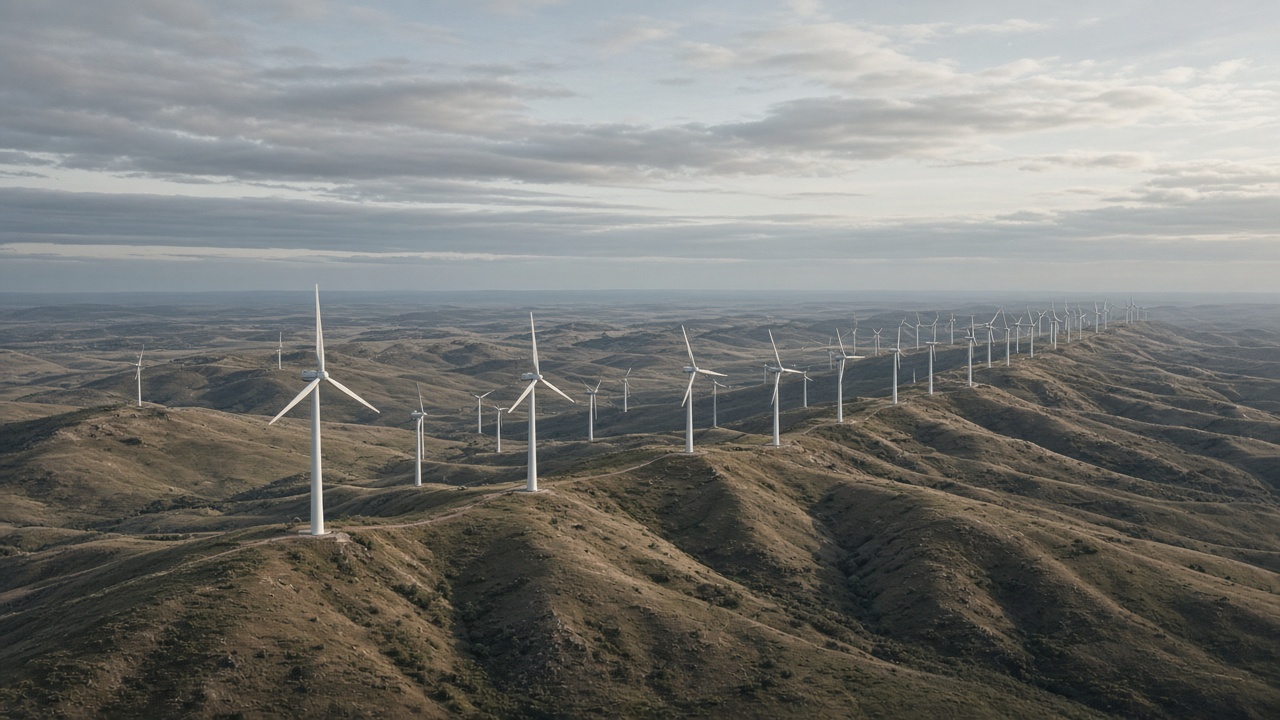
The Hornsdale renewable energy project held by HORNSDALE ASSET CO PTY LTD in South Australia.
Asset overview
The Hornsdale asset combines utility-scale wind generation with battery energy storage integrated to support firming and grid services in the South Australian region of the National Electricity Market. HORNSDALE ASSET CO PTY LTD is the legal owner of record for that combined asset. The sections below summarise geography, historical context, and component-level owner briefs.
Wind resources in the Mid North of South Australia were developed in stages as turbine technology improved and as transmission capacity and market rules evolved. Storage was added later as a distinct augmentation with its own connection, warranty, and dispatch characteristics. From an owner perspective, the asset is one economic unit even though regulators and market bodies may treat generation and storage as separate registration objects in certain filings. Our six project briefs mirror that reality: wind foundation, storage integration, grid connection, operational performance, environmental management, and regulatory milestones each address a different class of problem the owner has had to manage over the asset life.
Geographic and land context
The project occupies land within a working agricultural landscape. Roads, fencing, and buffer planting reflect agreements with landholders and conditions attached to development approvals. Precise site boundaries and easement maps are available to counterparties with contractual need through Contact.
Climate and topography favour consistent wind regimes but also expose equipment to heat, dust, and storm events that influence availability statistics discussed in the operational performance brief. Storage enclosures require thermal management and fire risk protocols that appear in owner incident reporting when material.
Capacity and technical data
Nameplate capacity figures for wind and storage are stated in market registration and formal disclosures filed with regulators. Summary figures will be added here when next verified for public release. Until then, counterparties should rely on registration identifiers cross-referenced in the grid connection and regulatory milestones briefs.
Owner diligence pack
Technical advisers typically request layout registers, exception logs, augmentation sequencing, and environmental condition cross-references. The six briefs below are structured to answer those categories without mixing operator marketing material. Each brief links forward and backward along the asset life cycle so that readers can follow wind foundation issues into storage integration and grid registration updates.
Historical milestones (owner summary)
- Development phase Permitting, land access, and grid connection studies established the footprint held by this SPV.
- Wind commissioning Turbine stages entered service sequentially; owner brief on wind generation describes layout and yield challenges.
- Storage augmentation Battery phases added firming capability; integration brief covers interface and warranty governance.
- Market participation Registration and exemption processes documented under regulatory milestones brief.
- Ongoing stewardship Environmental and community programmes continue across the operational life.
Six project briefs
The following briefs describe difficulties encountered, measures taken, and outcomes observed for each major component of the asset.
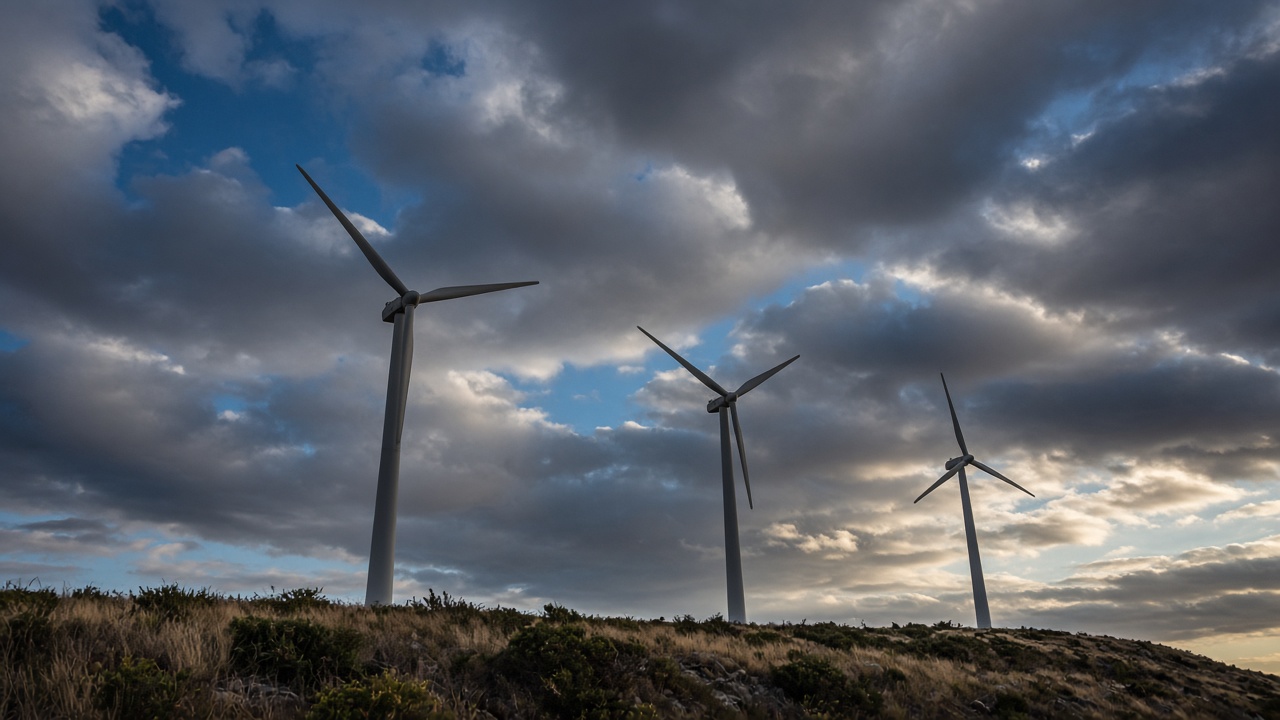
Wind generation foundation
Layout optimisation, stage commissioning, and owner oversight of turbine supply agreements.
View brief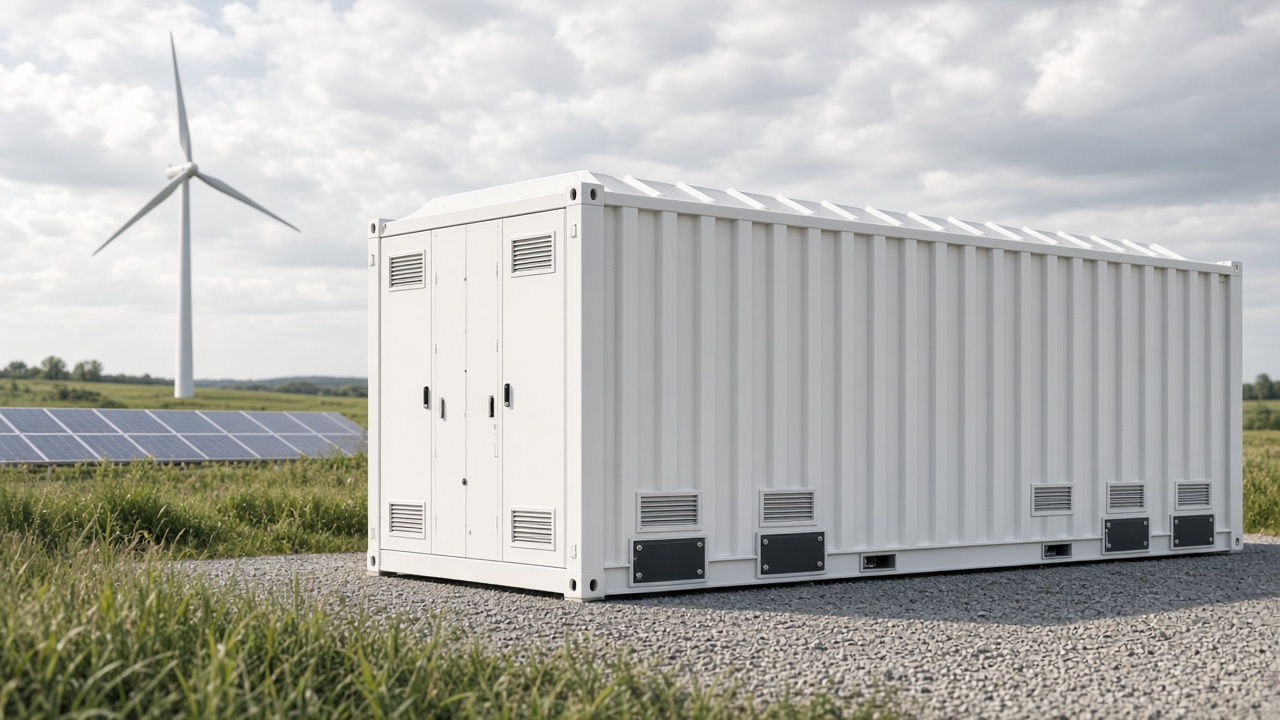
Energy storage integration
Augmentation sequencing, thermal management, and dispatch interface with the wind asset.
View brief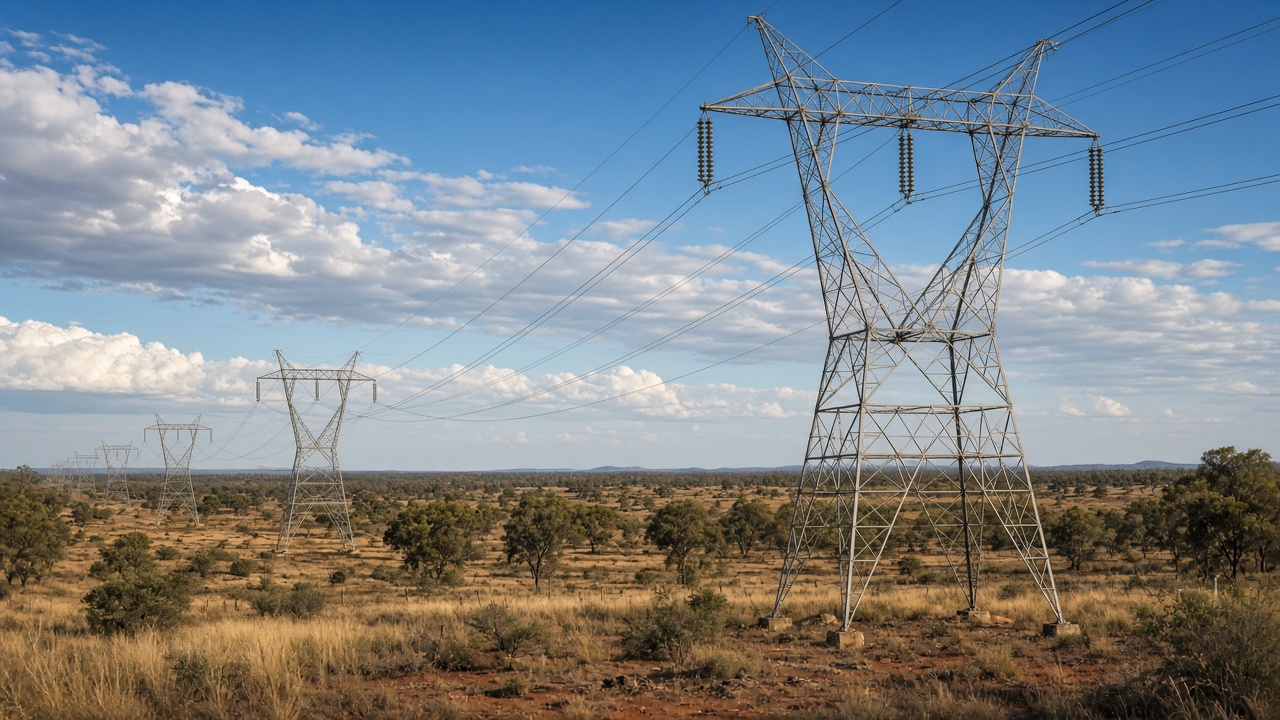
Grid and market connection
Constraint periods, connection compliance, and institutional correspondence discipline.
View brief
Operational performance
Availability tracking, major corrective maintenance, and long-term performance governance.
View brief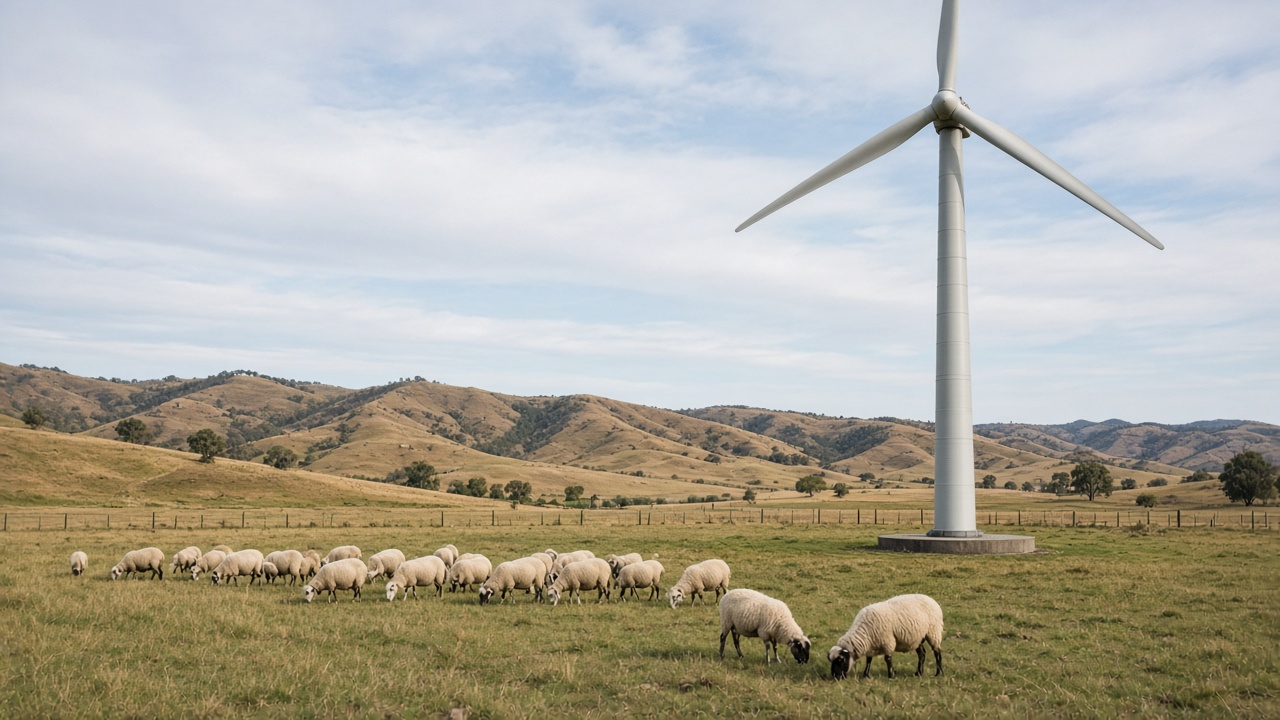
Environmental management
Monitoring programmes, remediation triggers, and landholder coordination.
View brief
Regulatory milestones
Exemption pathways, register entries, and owner responses to information requests.
View briefOwner case studies
These case studies describe cross-cutting owner programmes—warranty remediation, network constraints, and land access—that span multiple components of the Hornsdale asset.
Warranty remediation programme
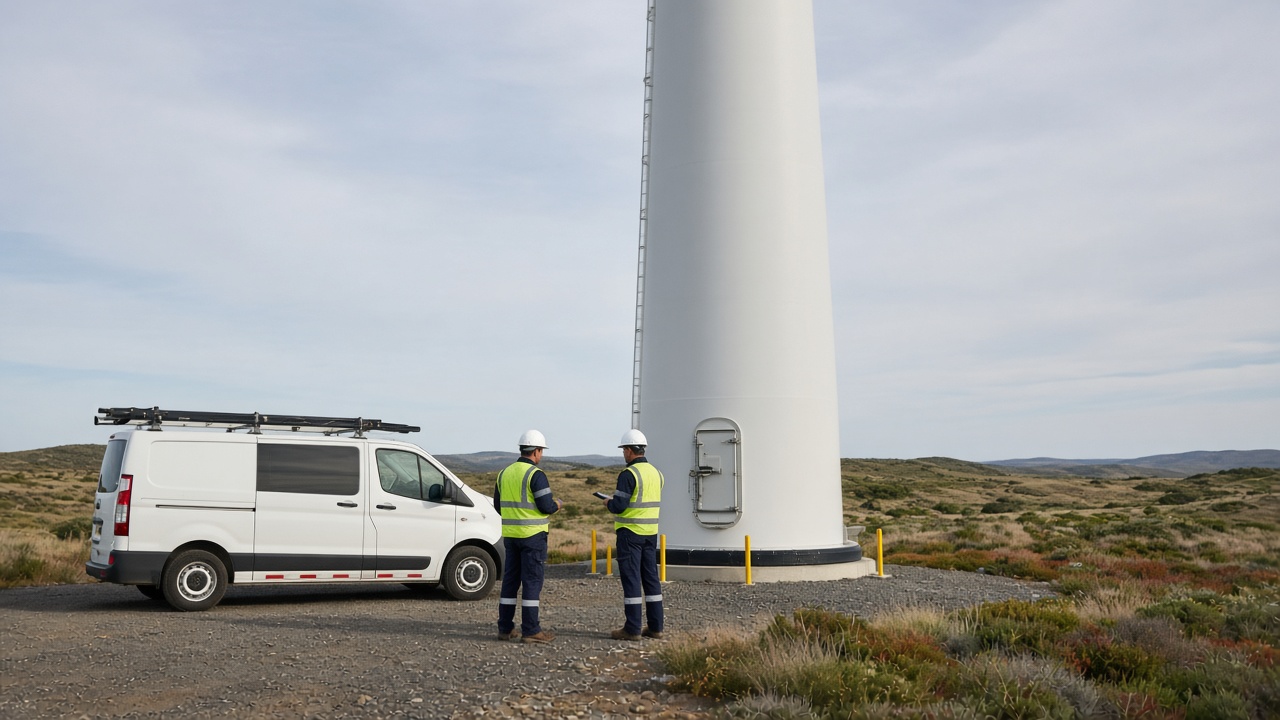
Serial-number ledger, independent review, and lender reporting during defect-period remediation.
View case study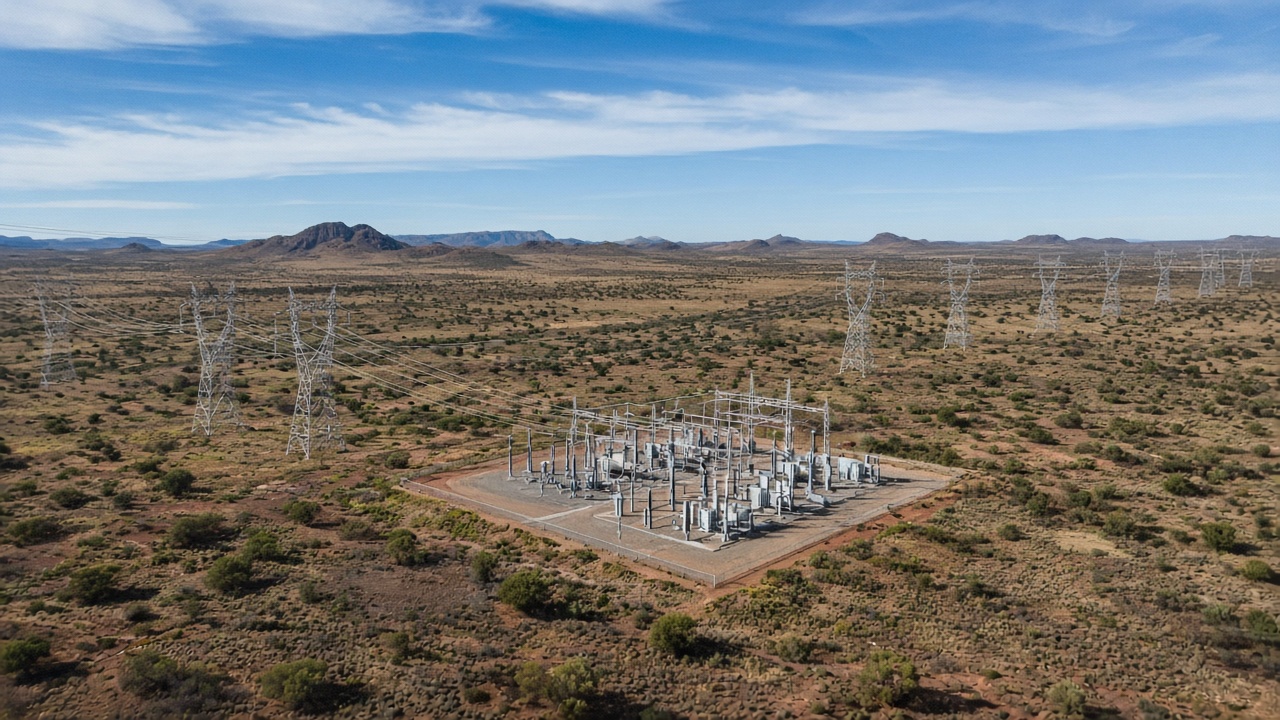
Network constraint response
Curtailment disclosure, registration alignment, and board-level constraint themes.
View case study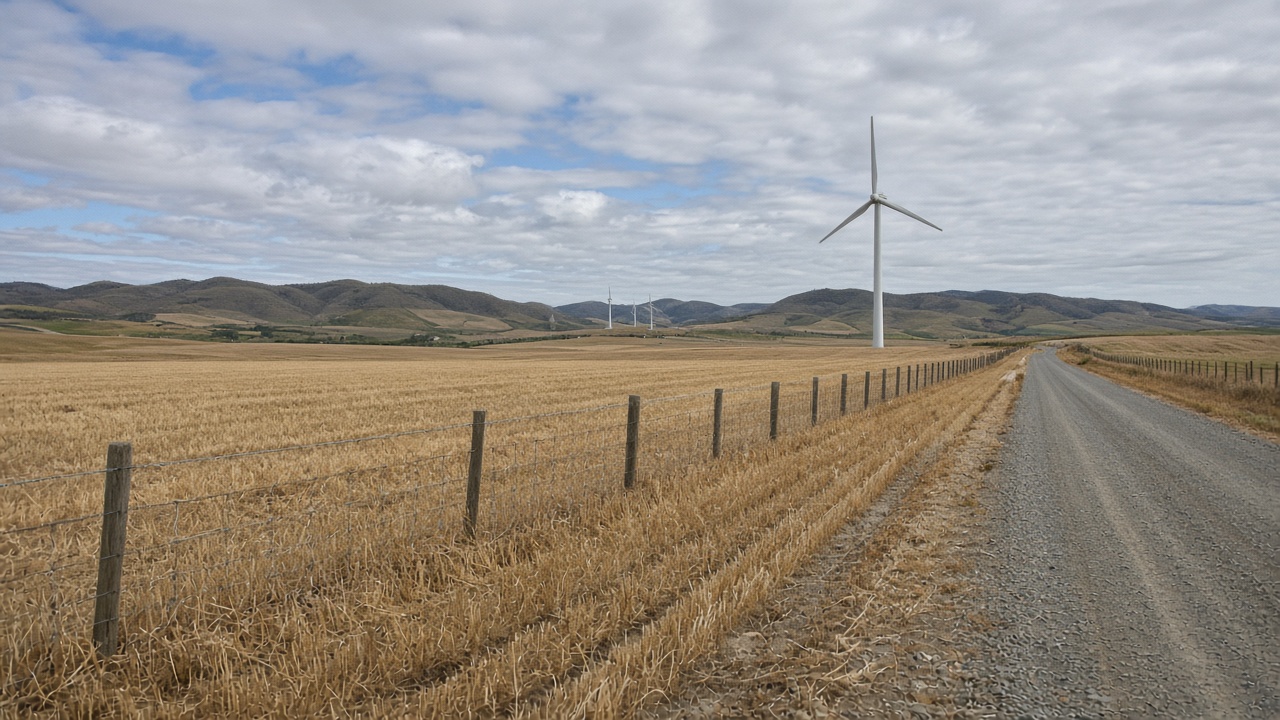
Landholder access protocol
Documented access windows, gate controls, and consultation indexing.
View case studyAsset composition
Wind, storage, and economic ownership.
Is storage treated as part of the same asset for investors?
Where are site maps and easements published?
Do the briefs include OEM operating manuals?
Reading the briefs
Structure and due diligence use.