Energy storage integration
Augmentation sequencing, thermal and fire risk controls, and dispatch interface governance for storage held within the Hornsdale asset.
Why storage sits inside the same SPV
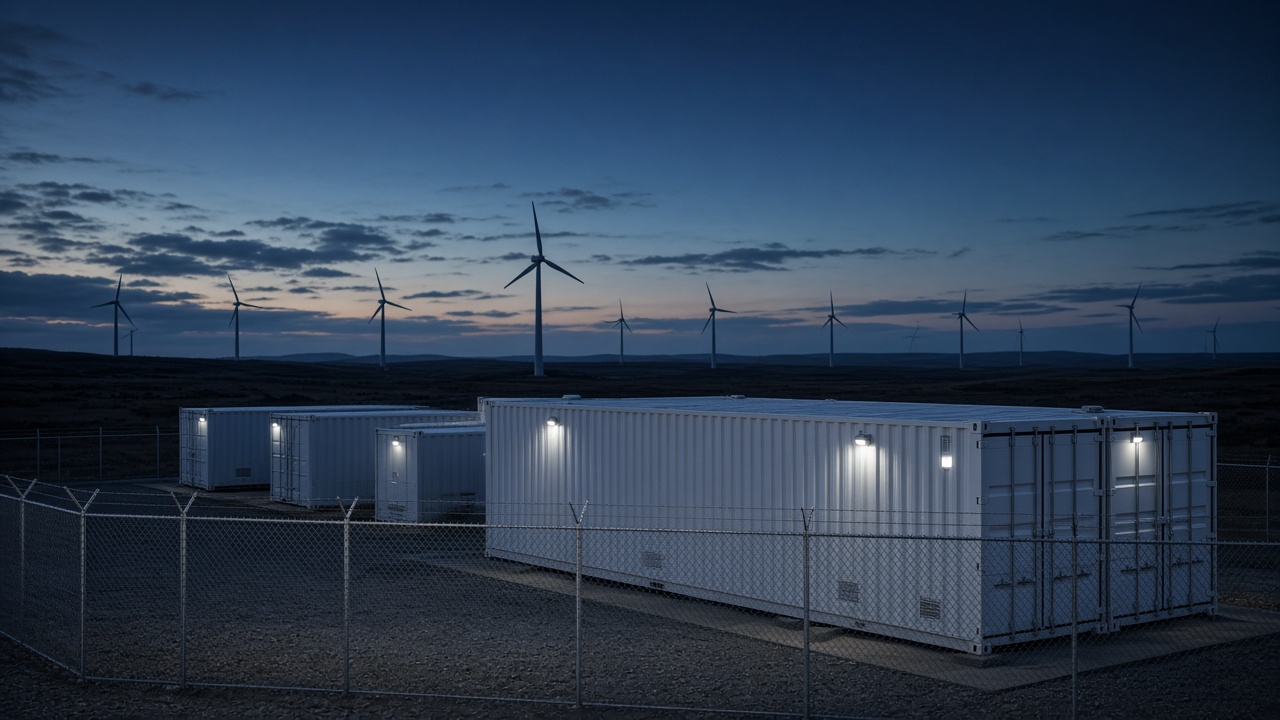
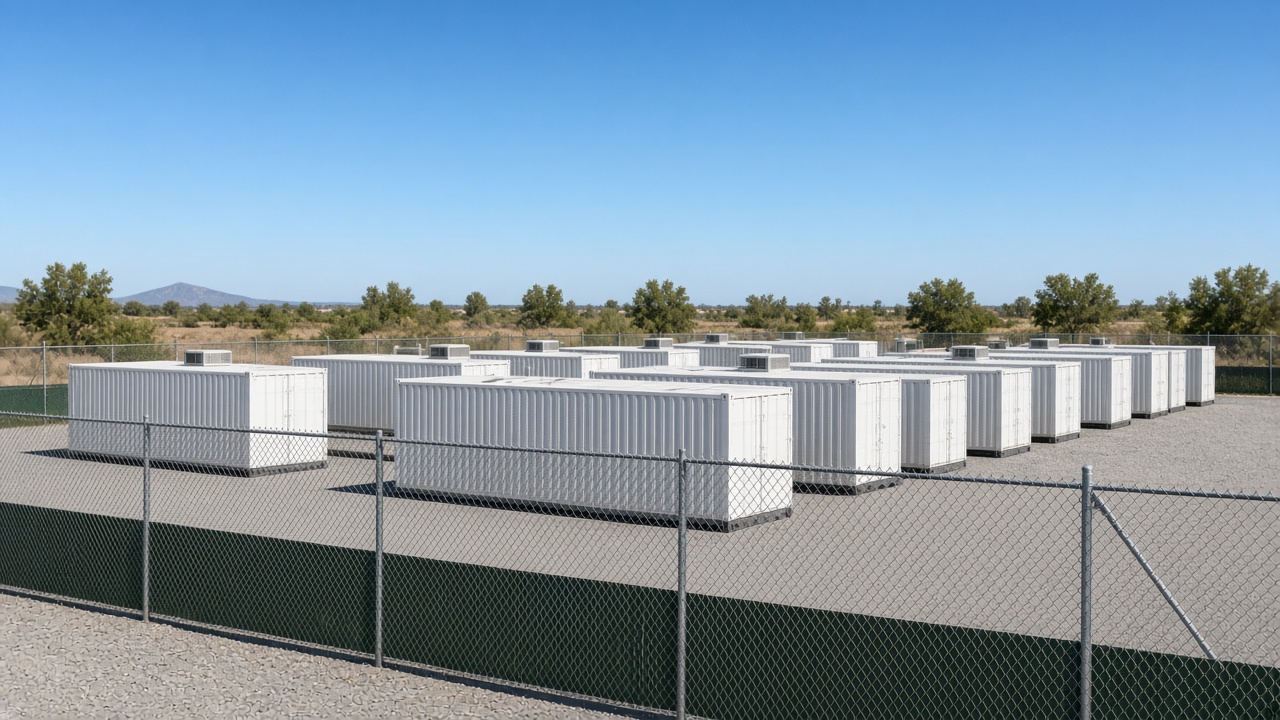
Lenders and equity investors increasingly treat wind-plus-storage as a single cash-flow story: wind provides energy; storage provides firming and ancillary service revenue streams that change with rule changes in the National Electricity Market. HORNSDALE ASSET CO PTY LTD holds both under one roof so that change-of-control covenants, insurance programmes, and regulatory correspondence refer to a single owner of record.
Problems encountered
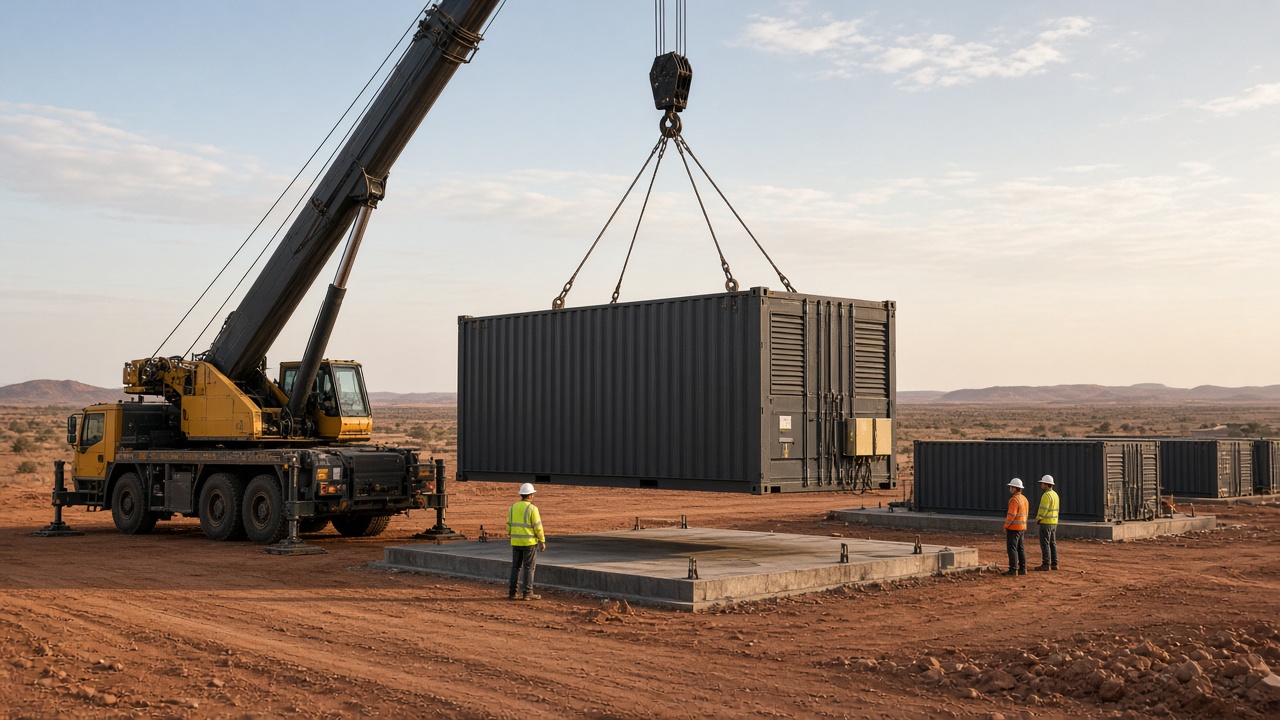
Augmentation phases overlapped with ongoing wind operations, creating permit and safety isolation challenges. Battery management system versions differed between phases, complicating unified dispatch commands from the market operator’s perspective. Thermal events industry-wide raised insurer scrutiny; the owner needed enhanced emergency response plans and spare module logistics not required for wind alone. Warranty periods for storage cells did not align with wind component warranties, creating gaps in defect coverage unless actively bridged in contract negotiations.
Measures taken
The owner required a single point of responsibility for integrated SCADA mapping between wind and storage assets, with change control logged for AEMO registration updates. Fire detection, suppression, and rural fire service notification paths were tested jointly with local authorities rather than only with OEM technicians. Spare parts criticality lists were added to owner reports reviewed quarterly by the board. Revenue accounting separated energy arbitrage from contingency frequency control ancillary services so auditors could reconcile market statements to internal models.
Outcomes
Storage phases reached commercial operation with documented compliance to connection standards applicable at each augmentation date. Dispatch availability improved after unified control tuning. Storage degradation remains a long-term financial modelling focus for investors. Integration governance is structured for regulator review and lender stress-testing under varying ancillary price scenarios.
Owner interface governance
Storage software versions, fire detection systems, and warranty state-of-health limits must align with owner operating procedures signed after each augmentation. The owner treats mismatches between OEM dashboards and AEMO dispatch signals as change-control events requiring logged approval.
Storage integration FAQ
Is storage dispatch delegated entirely to the operator?
How are augmentation phases reflected in registers?
Where is dispatch policy described in more detail?
Related work
Linked briefs and insights for continued reading.